
Compress a photo to 50 KB for a visa or government form
A 12 MP phone photo will not become 50 KB without losing pixels. Crop the face, then compress toward the cap. If we miss, you still get the smallest file, not a silent bounce. Files are deleted within 1 hour.
Read the number on that screen
Maximum 50 KB is a ceiling. Under is fine. A range such as 20–50 KB rejects a file that is too small as well as one that is too large. Some US visa portals want about 240 KB, not 50. A university upload and a state form can print different numbers on the same week. The line on that screen wins.
The same form often wants JPEG, a plain background, and a pixel size. Hitting 50 KB as a PNG almost never happens. Convert PNG or HEIC first, or drop them on the 50 KB page; photos become JPEG when PNG will not fit.
Crop the face before you compress
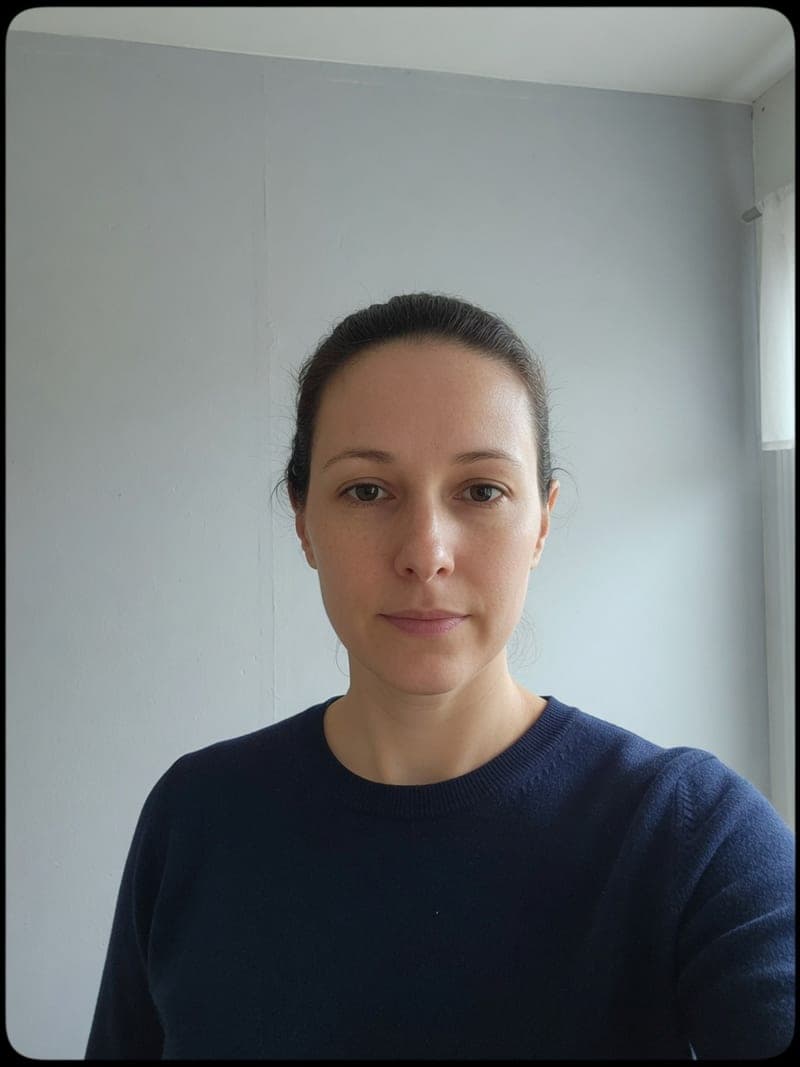 Too much wall
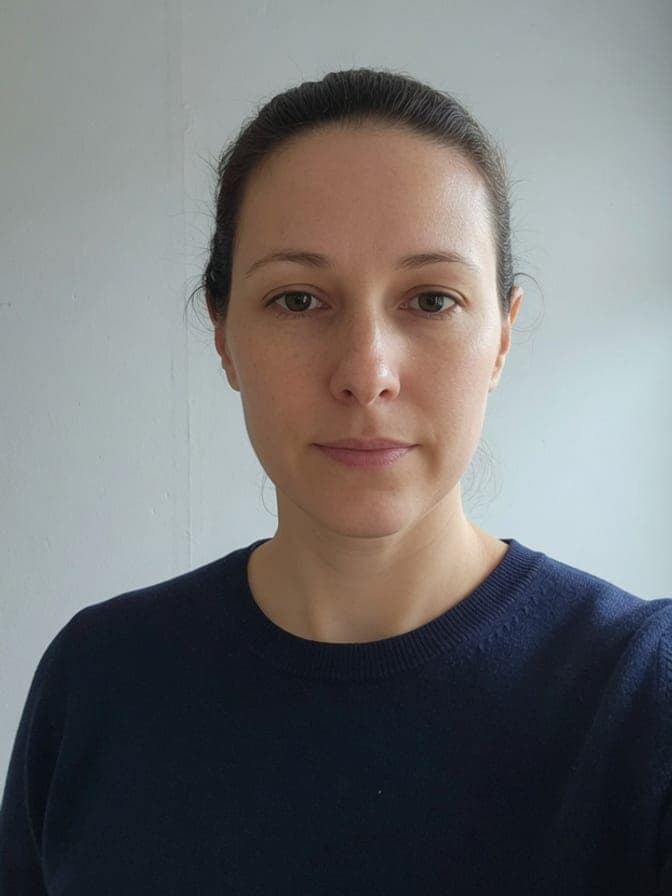 Face only
File size follows pixels. A full-body 12 MP JPEG has nowhere to go at 50 KB except mud. Use Crop image on the face. There is no 3×4 preset; free crop is enough for a small ID photo. Then Resize image if the portal names a width.
We do not paint a white background and we do not run a biometric checker. If the form wants a studio wall, shoot against one. Some portals want a 3×4 crop and 50 KB at the same time. Crop the face, resize if they printed a width, then compress. A white wall is a photography problem, not a kilobyte problem.
Then compress toward 50 KB
Compress to 50 KB aims at 50 KB, not a quality slider. We search for an encoding at or under the cap when the image allows it. If it cannot fit, you download the smallest version plus a miss note. We do not quietly hand you a file the portal will bounce.
- Crop the face, then drop the JPEG, PNG, WebP, HEIC, or AVIF. Up to 10 files, 20 MB each.
- Each photo compresses on its own. Download the result, or a ZIP of several.
- If the note says we missed, crop tighter or resize, then try again. Delete when you have the file.
When the form says 100 KB, 200 KB, or 500 KB
Same workflow, different cap. Compress to 100 KB shows up on CVs and email that rejects large attachments. Compress to 200 KB is common on school portals and listings. Compress to 500 KB keeps more detail when the ceiling is looser. Crop and resize still help; a smaller photo compresses cleaner.
If you only need smaller, not a printed number, use Compress image and pick a quality. The KB pages are for when the form wrote a ceiling.
What this page will not do
It will not turn a hallway selfie into a studio ID. It will not check ICAO rules, glasses, or a white wall. It will not invent a URL for 17 KB, 18 KB, or 19 KB. Four caps cover the forms people actually meet: 50, 100, 200, and 500.
A tight face crop in JPEG usually fits 50 KB. A screenshot with text, or a full-resolution PNG, often will not. Crop, convert, retry.
Questions
Why is my photo still over 50 KB?
Too many pixels, or a busy PNG. Crop the face, convert to JPEG if you have to, and run it again. If we still miss, you get the smallest file plus a note.
Does a US visa photo have to be 50 KB?
Not always. Some visa uploads want about 240 KB and a square crop. Read that screen. If it says 50 KB, use this page. If it says 100 KB, use Compress to 100 KB.
Can I drop an iPhone HEIC here?
Yes. Photos become JPEG when that is what fits the cap. Live Photo video is not included.
Will you paint a white background?
No. Shoot against a plain wall if the form asks for one. We change crop, pixels, and bytes.
What if the form wants a range like 20–50 KB?
A file under 20 KB can fail too. After the download, check the size. If it landed under the floor, you need a larger crop or a higher cap, not more compression.
Do you keep the file?
Original and result are deleted within 1 hour. You can delete them from the download screen.